


NEWS
-
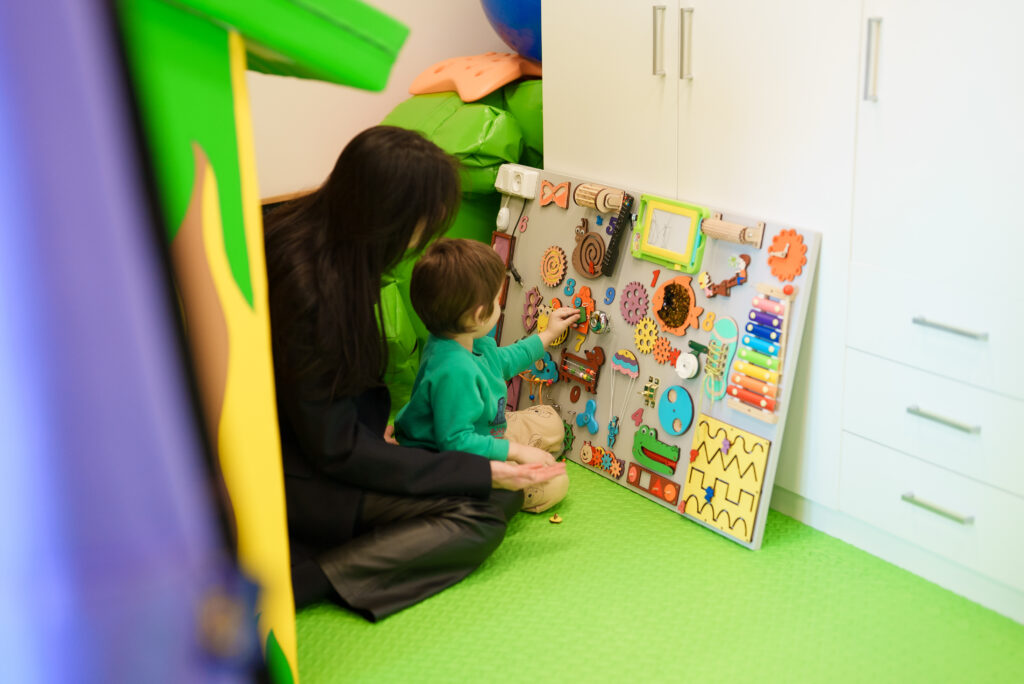
Helping Children From Birth to Age Four
Our Early Intervention team in Irpin works with children from birth to four years old, helping families recognize early developmental differences and gently address them.
-
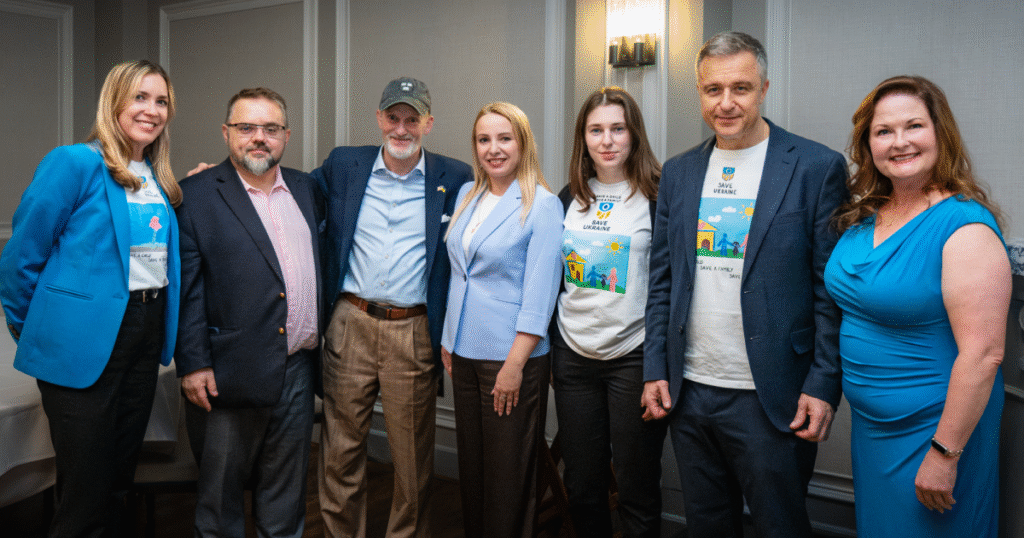
In Dallas, we spoke about our children
During his visit to the U.S., the founder and head of Save Ukraine, Mykola Kuleba, had an important meeting in Dallas with the Ukrainian community and local humanitarian organizations.
-
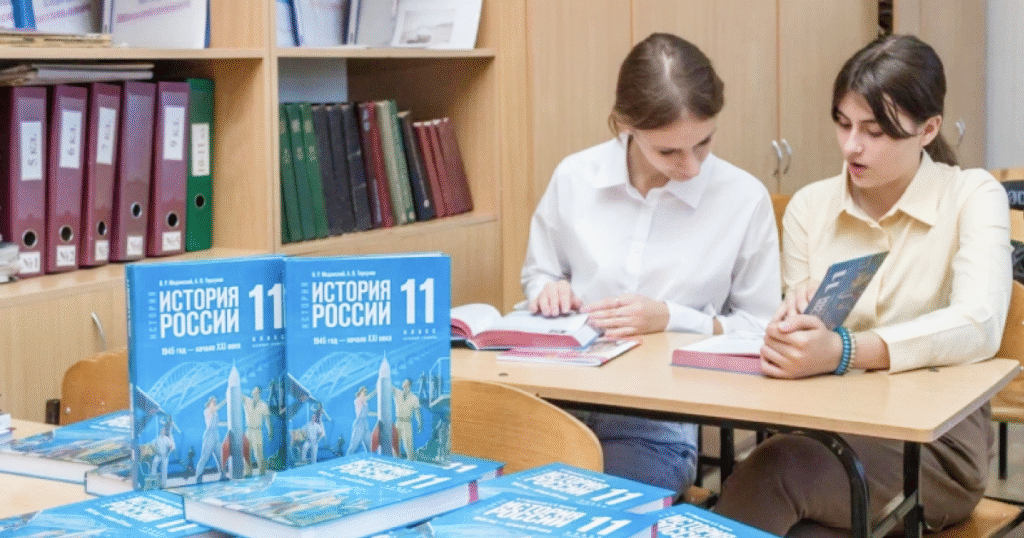
How Russia teaches children to hate the West
Russia is not only waging war against Ukraine — it is also shaping a new generation raised on propaganda and falsified history.
-
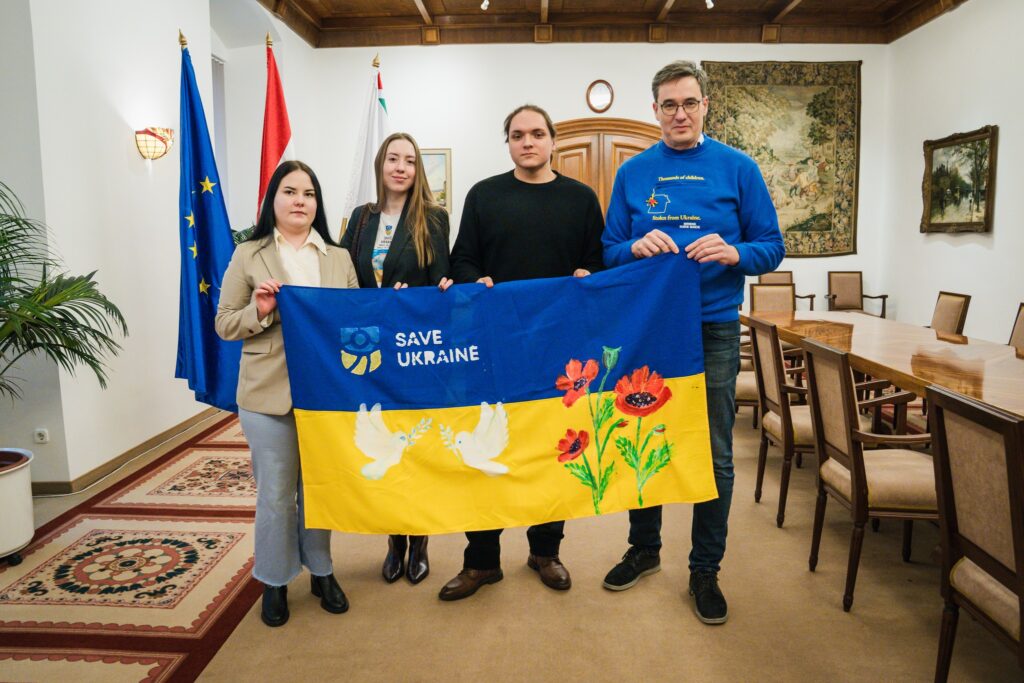
The Save Ukraine team in Budapest
The Save Ukraine team highlighted the large-scale abduction of Ukrainian children, Russia’s attempts to erase their identity, and the systematic militarization of minors on Russian territory.
-
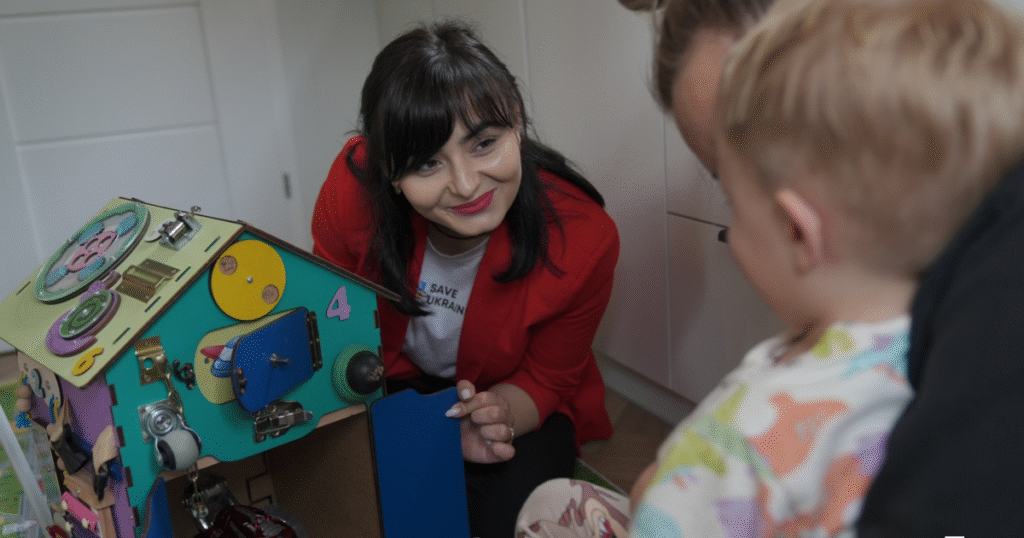
A transdisciplinary Early Intervwntion team
Early Intervention combines medical, psychological, social, and educational support. And the transdisciplinary model strengthens the family’s overall quality of life and increases a child’s chances of successful socialization.
-
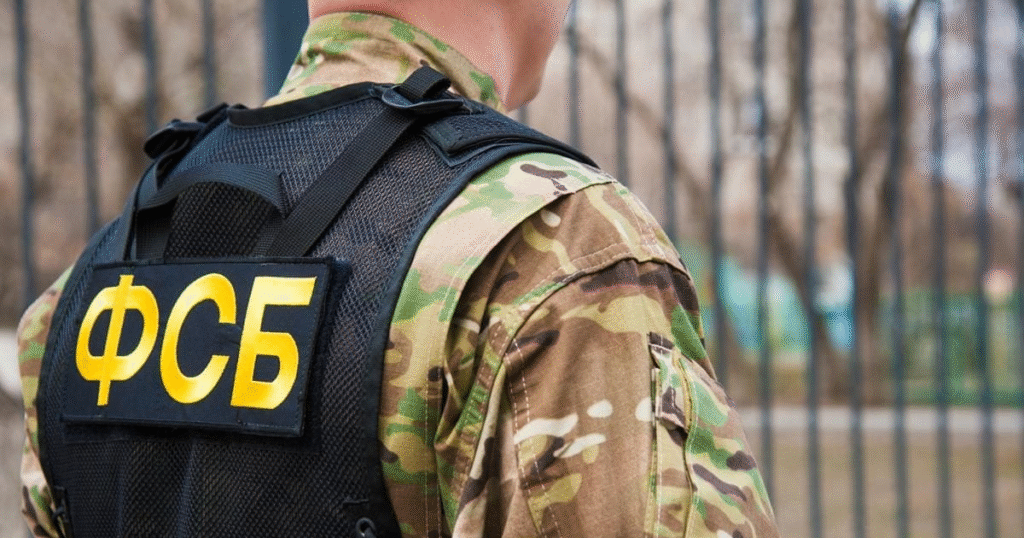
“They Woke Me with Rifles”: Maksym’s Story
Imagine being a teenage boy shaken awake by masked soldiers demanding you unlock your phone — while the barrel of a rifle is pointed at your face.
-
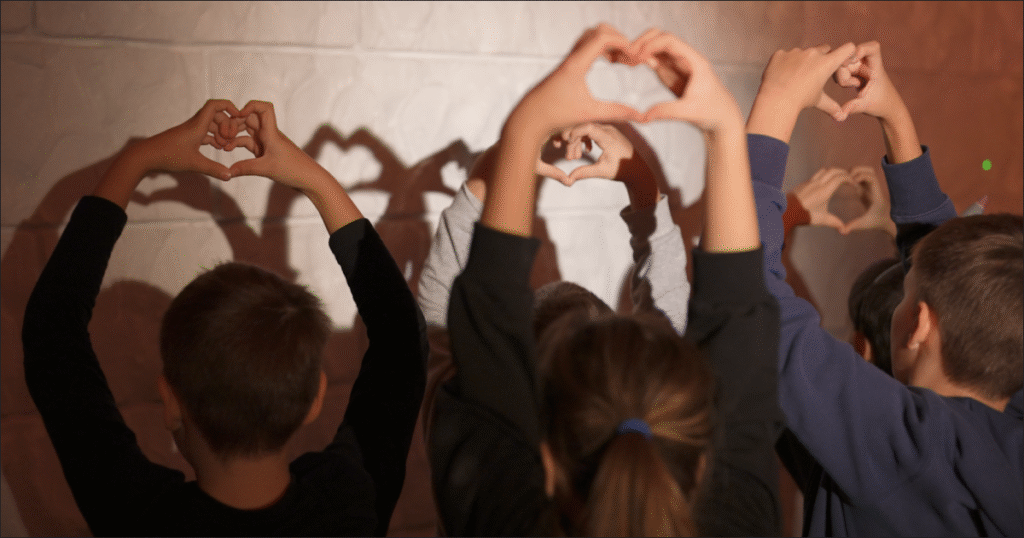
Supporting children through blackouts
For children who have lived through occupation or constant air raids, darkness can easily become a psychological trigger.
-
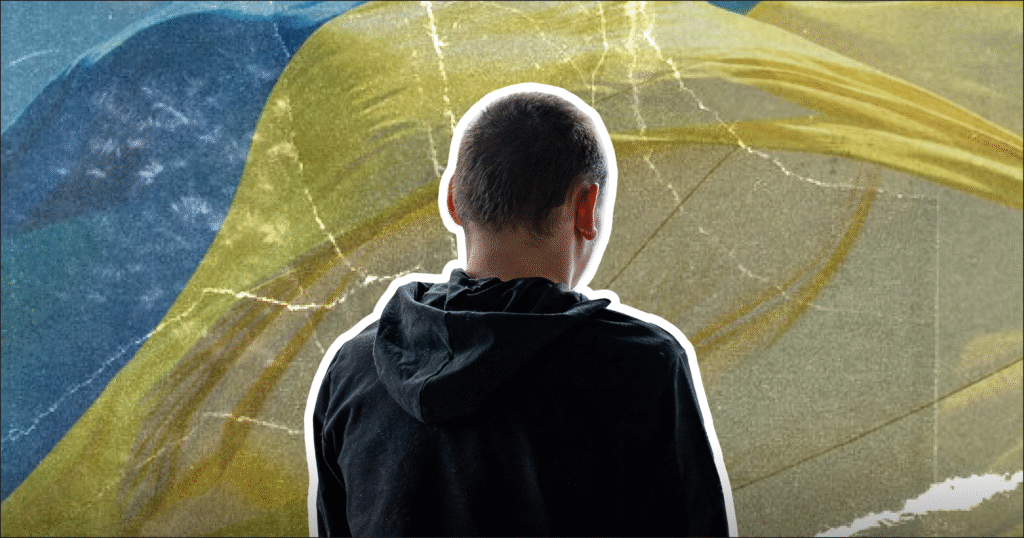
Russia’s new “guidelines” for re-educatin...
Russia has developed a new document it formally labels as “methodological guidelines for preventing extremism among children and youth.”
-
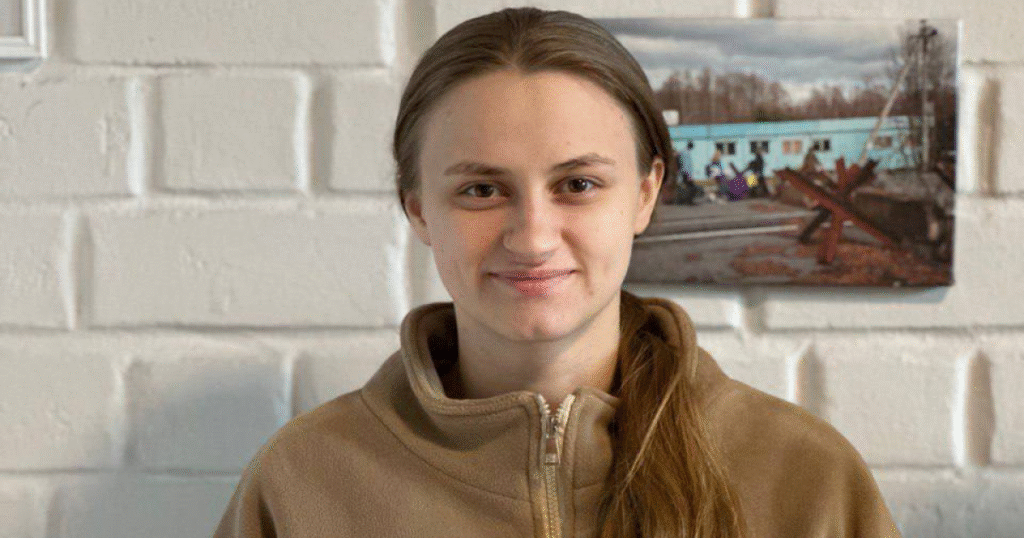
Escaping the russian trap: Vitalina’s story
Vitalina was only 15 when her life split into a “before” and “after.” Rubizhne was burning under relentless shelling.
Contact us
-
Address
-
Phone+38 044 333 81 29
-
Emailinfo@saveukraine.org
Want to stay updated?
Receive bi-weekly news from the ground.
Click to subscribe
