

Russian Disinformation versus Ukrainian Reality
Through Save Ukraine’s rescue efforts, we have witnessed the devastating impacts of forced abductions, family separations, and the systematic erasure of Ukrainian identity. Children are being forcibly removed, indoctrinated, and militarized, while families in temporarily occupied territories (TOTs) live as hostages under constant threat and religious oppression. Russian disinformation continues to spread unchecked. Below, we present key myths and facts regarding the situation of Ukrainian children and families.
“Rescue Missions” for Ukrainian Children
MYTH: Russia is “saving” or “rescuing” Ukrainian children in conflict zones as part of humanitarian efforts, providing protection and opportunities for orphans in Russian families.
FACT: Russia has stolen thousands of Ukrainian children under the guise of “child protection” to “Russify” them as part of ethnic cleansing.
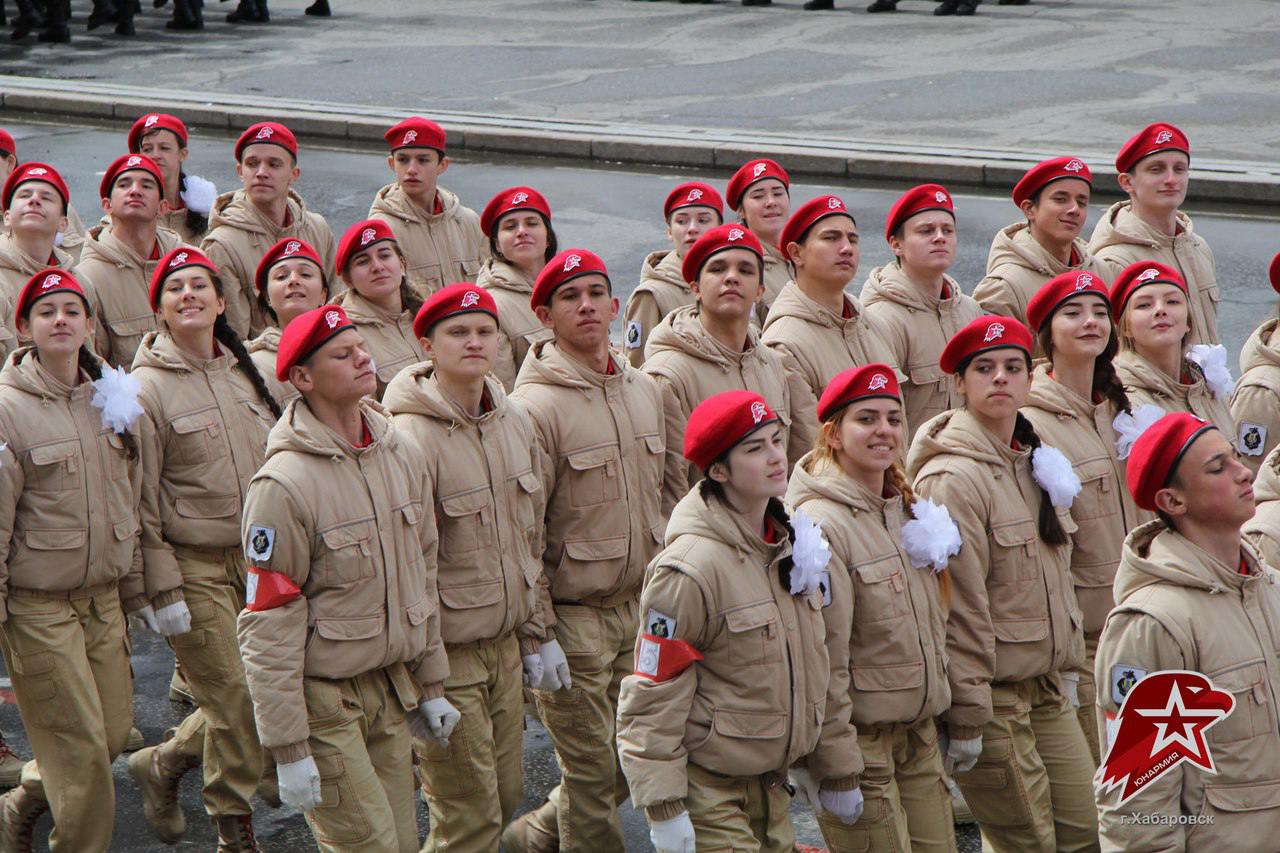
- Thousands of Ukrainian children have been forcibly taken to Russia or Russian-occupied territories, often separated from their families. These children are subjected to pro-Russian indoctrination, assigned new Russian identities, and in many cases, illegally adopted into Russian families in violation of international law.
- Over 95% of these children have families or relatives in Ukraine. Some were taken directly from their mothers’ arms, others lost parents killed by Russian soldiers, and many were removed from boarding schools, institutions, or the streets after bombings.
- Despite international calls for cooperation, Russia refuses to work with Ukraine or humanitarian actors to return these children. While Russia claims families can retrieve their children by providing DNA proof, this offer is largely illusory.
- Children are dispersed across Russia, including remote regions thousands of miles from Ukraine, given Russian names and passports, and severed from their heritage. Families lack access to databases or resources to locate their children and face insurmountable obstacles, including interrogation at Russian checkpoints.
The Yale School of Public Health’s Humanitarian Research Lab reported in 2022 that Russia launched a systematic program of coerced adoptions of Ukrainian children by Russian families. This program, orchestrated by President Putin and Commissioner for Children’s Rights Maria Lvova-Belova, aims to erase Ukrainian identity and culture.
Russia’s actions constitute a deliberate attack on Ukraine’s most vulnerable and an egregious violation of human rights.
“Liberating” Ukrainian Children and Families
MYTH: Russia is liberating Ukrainians who overwhelmingly want to be part of Russia for a better way of life.
FACT #1: Ukrainians neither seek liberation by Russia nor desire to be part of it. Public opinion polls and Ukraine’s resistance against Russian occupation demonstrate the opposite.
- Russia’s “liberation” rhetoric frames its invasion and occupation as benevolent, masking violence, destruction, and human rights abuses. Public opinion polls consistently show strong support among Ukrainians for independence and sovereignty.
- Russia’s invasion stems from a desire to reclaim dominance over a neighboring country integral to its identity and security. Ukraine’s pro-Western alignment challenges Putin’s authoritarian model and showcases a successful democracy on Russia’s border.
- Economically, Ukraine’s natural resources, industrial capacity, and access to the Black Sea make it strategically valuable to Russia. “Liberation” is a pretext for ethnic cleansing and territorial conquest.
FACT #2: Hundreds of thousands of Ukrainian children and families in Russian-occupied territories are trapped, living as hostages, and at risk of separation and deportation.
- Ukrainian families are forced to surrender their Ukrainian passports in exchange for Russian ones, effectively renouncing their Ukrainian citizenship. Refusal results in severe consequences.
- Occupation authorities threaten to separate children from parents who decline Russian citizenship, enrollments in Russian educational programs, or participation in “re-education camps.”
- Children of military personnel, veterans, Anti-Terrorist Operation (ATO) participants, local activists, government leaders, and large vulnerable families are particularly at risk of abduction and family separation
- Families live in constant fear of random passport checks by Russian soldiers. Returning to Ukraine is nearly impossible, as a Russian passport is often required for travel through occupied regions.
These families face insurmountable barriers to safety, and their voices are being silenced.
“Religious Freedom” in Russian-Controlled Territory
MYTH: Ukraine is closing churches and imprisoning pastors.
FACT #1: Ukraine is addressing national security concerns by scrutinizing churches and individuals collaborating with Russia to protect its citizens and territory.
- The Russian Orthodox Church (ROC) is a key supporter of Vladimir Putin and has endorsed Russia’s invasion. Some Russian Orthodox churches in Ukraine, particularly those affiliated with the Ukrainian Orthodox Church (UOC) of the Moscow Patriarchate, have engaged in activities threatening Ukraine’s security.
- Documented cases include clergy sharing Ukrainian troop movements, identifying Ukrainian soldiers’ families, and exposing evangelical Christian pastors to targeting by Russia.
- Ukrainian authorities have taken legal steps, such as shutting down churches linked to espionage and detaining clergy engaged in treasonous activities. These actions target specific individuals or entities suspected of illegal activity, not religious freedom as a whole.
FACT #2: Russian troops in occupied Ukrainian territories actively persecute evangelical Christians, viewing them as symbols of “Western influence.”
- Ukrainian evangelical pastors have been imprisoned, tortured, or disappeared without due process. Churches have been destroyed, and families face violent punishment for their faith. Worship services are disrupted, and congregants face harassment and pressure to renounce their beliefs.
- The Russian Orthodox Church promotes narratives framing non-Orthodox communities as threats, justifying persecution. This oppression seeks to stifle religious freedom and erase Ukrainian cultural identity.
Russia’s Purpose in These Narratives
- International Justification: Convince global audiences, particularly in non-aligned countries, that Russia’s actions are humanitarian.
- Undermining Ukrainian Identity: Weaken ties between Ukrainian citizens and their national identity by erasing cultural, religious, and familial connections.
- Suppressing Accountability: Distract from war crimes such as the deportation and indoctrination of children, which violate international law.
You can share the post: