

World Wetlands Day
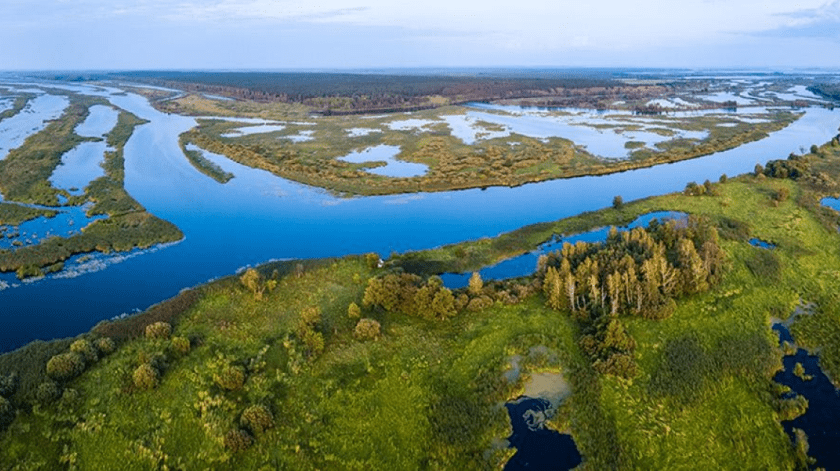
World Wetlands Day, celebrated annually on February 2nd, marks the anniversary of the adoption of the Ramsar Convention on Wetlands in 1971, a global treaty aimed at the conservation and sustainable use of wetlands. This day raises awareness about the critical importance of wetlands for biodiversity, climate change mitigation, water purification, and the livelihoods of millions of people. Wetlands, which include marshes, swamps, bogs, and mangroves, are among the most productive ecosystems on Earth, providing essential services to both the environment and human society.
Wetlands are vital for maintaining ecological balance, as they act as natural water filters, protect coastlines from storms and flooding, and store large amounts of carbon, which helps mitigate the effects of climate change. They also serve as habitats for a wide variety of plant and animal species, many of which are endangered. Despite their importance, wetlands are disappearing at an alarming rate due to human activities such as agriculture, urbanization, and industrial development. World Wetlands Day highlights the need for stronger conservation efforts to protect these valuable ecosystems.
Each year, World Wetlands Day focuses on a specific theme, such as wetlands and biodiversity, climate change, or sustainable agriculture. Events such as wetland restoration projects, educational campaigns, and community clean-up activities are held worldwide to encourage people to take action to protect wetlands. Governments, environmental organizations, and local communities use this day to advocate for policies that promote the conservation of wetlands and to educate the public about their value.
World Wetlands Day reminds us of the urgent need to preserve wetlands for future generations. By raising awareness and promoting sustainable practices, we can ensure that wetlands continue to provide vital services to people and the planet. This day also encourages individuals to take part in protecting wetlands, whether through advocacy, volunteering, or supporting wetland conservation initiatives.
You can share the post: