


NEWS
-
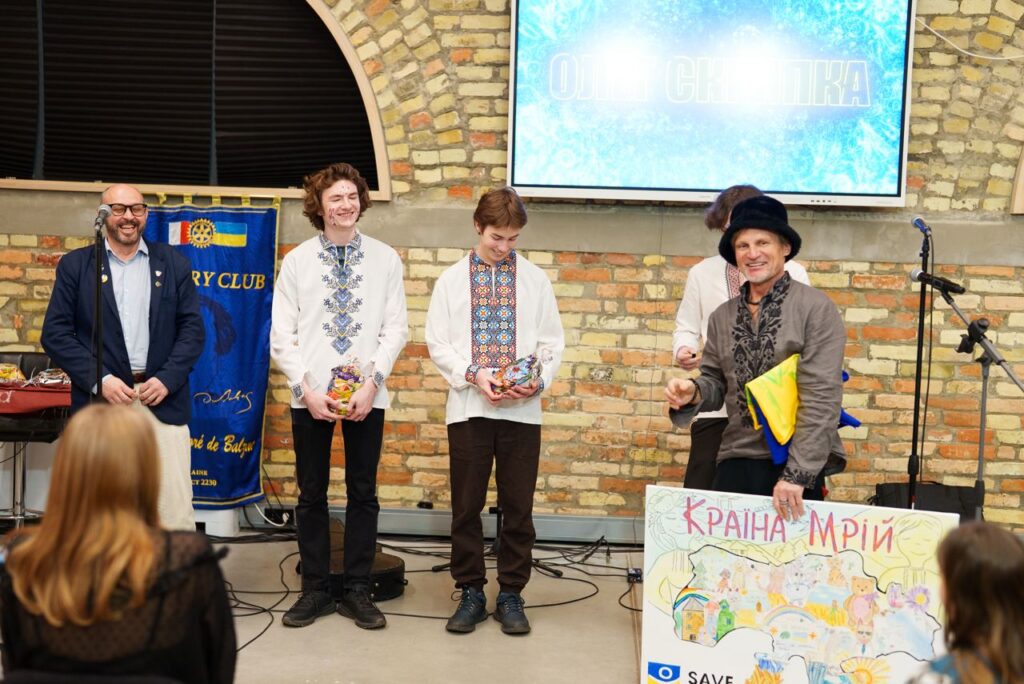
Oleh Skrypka visits the Save Ukraine center
A festive concert took place at our Hope and Healing Center in Hatne for children rescued by Save Ukraine, as well as for children from the Hatne community.
-
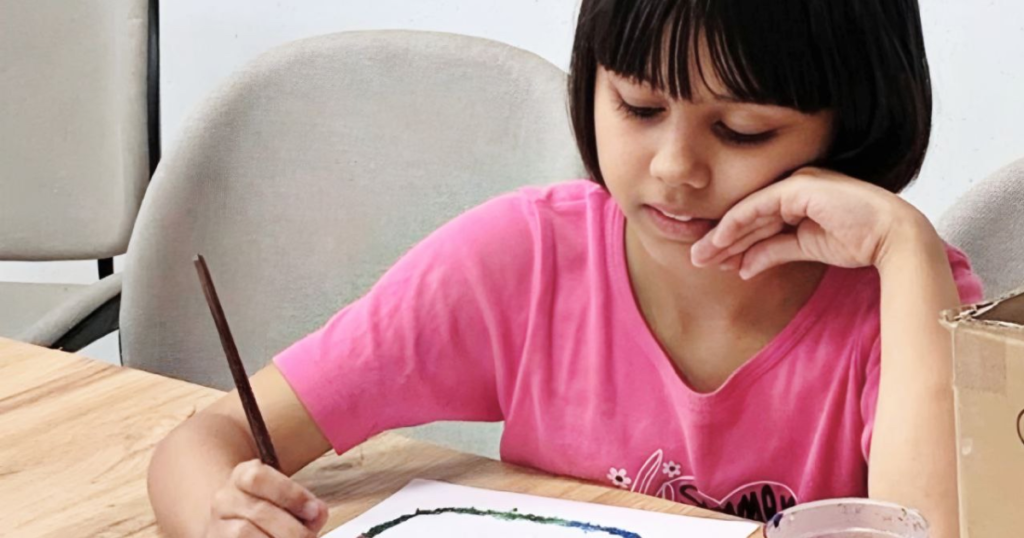
Diana’s journey
When 8-year-old Diana first came to our Hope and Healing Center, she barely spoke. She avoided eye contact, hesitated to raise her hand even when she knew the answer, and felt overwhelmed in any unfamiliar space.
-
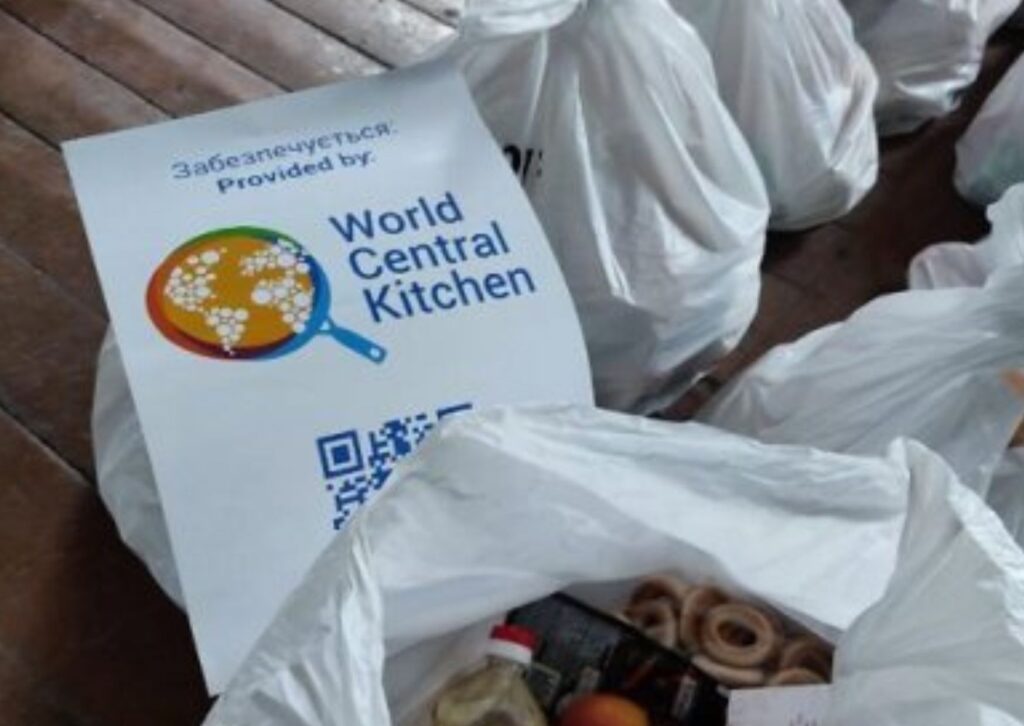
Our beneficiaries received grocery sets
This month, as winter approaches, our Hope and Healing centers received food packages from World Central Kitchen.
-
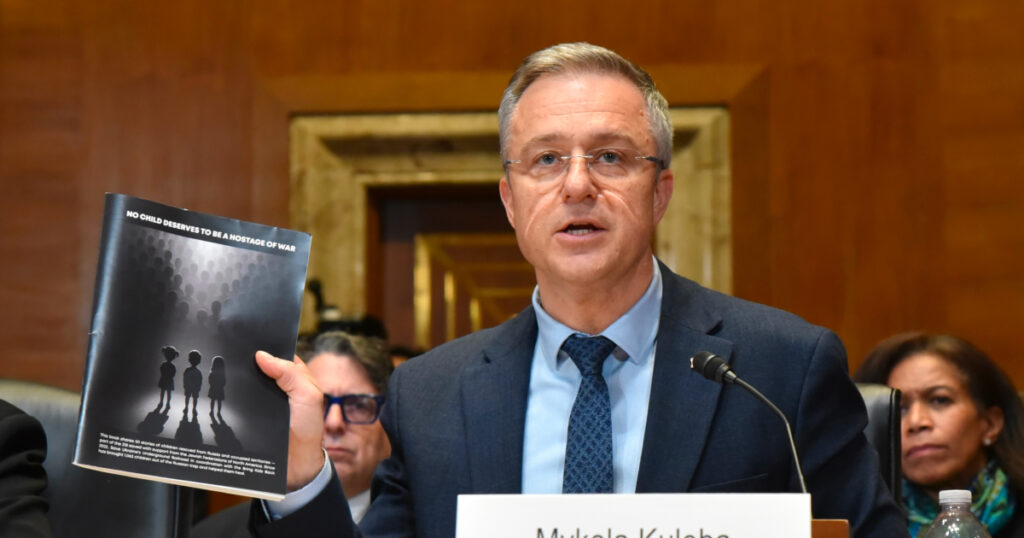
Mykola Kuleba Speaks Before the U.S. Senate
This week, Mykola Kuleba, addressed the United States Senate to draw attention to Russia’s systematic abduction and militarization of Ukrainian children.
-
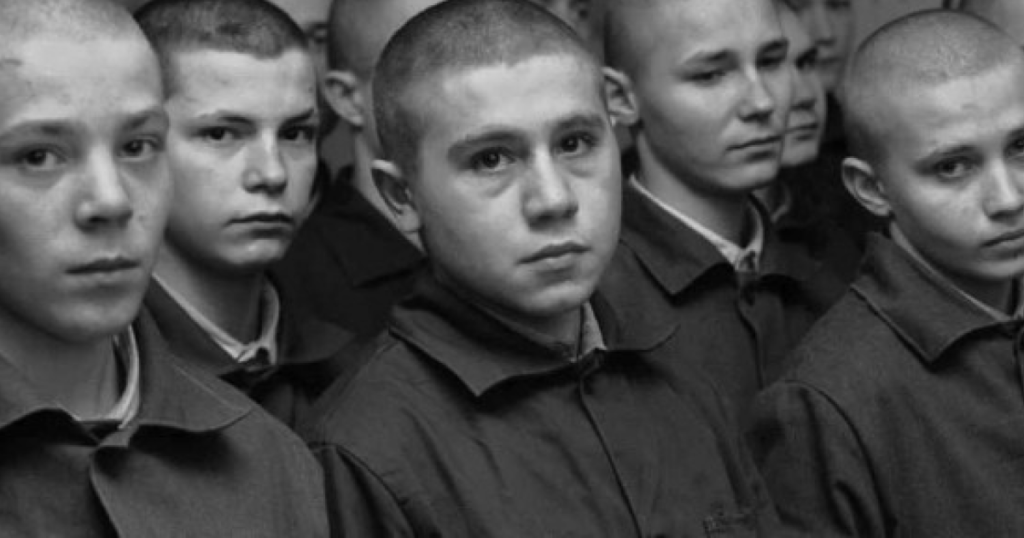
When a child becomes a “terrorist”
Russia has just amended its criminal code to allow prosecution of children as young as 14 years old for “sabotage”
-
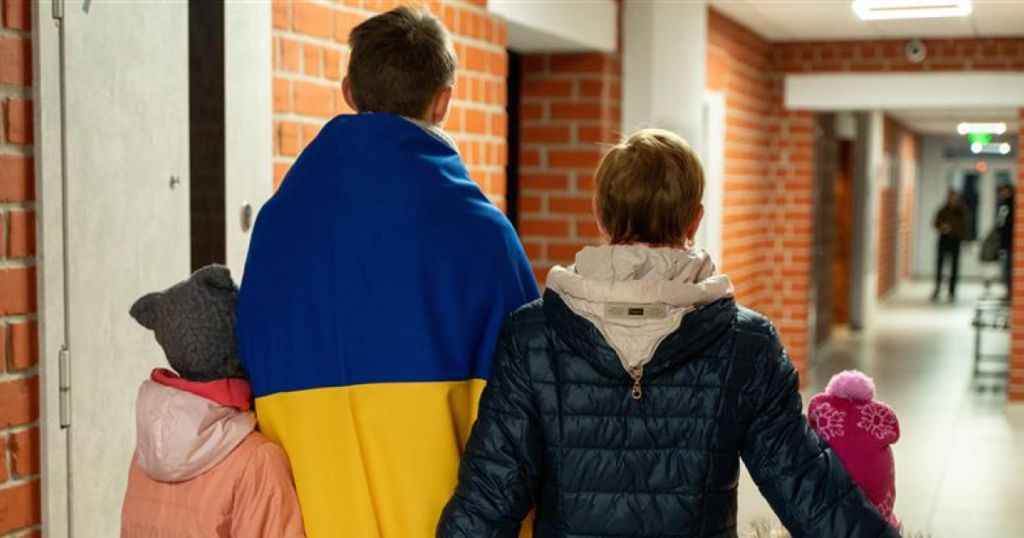
18 children and teenagers rescued from TOT
Thanks to Save Ukraine, more than 1000 children have already been rescued from Russia and the temporarily occupied territories.
-
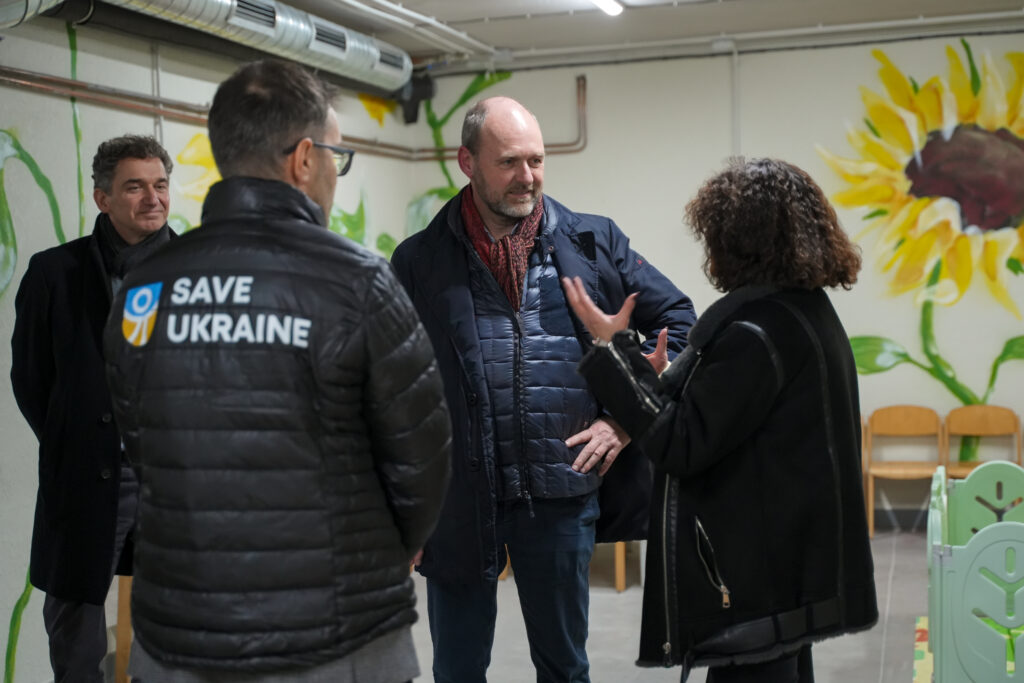
The Dutch Government’s Special Envoy in t...
Last week, we welcomed a government delegation and the team of the Embassy of the Netherlands in Ukraine to our Save Ukraine Center in Irpin.
-
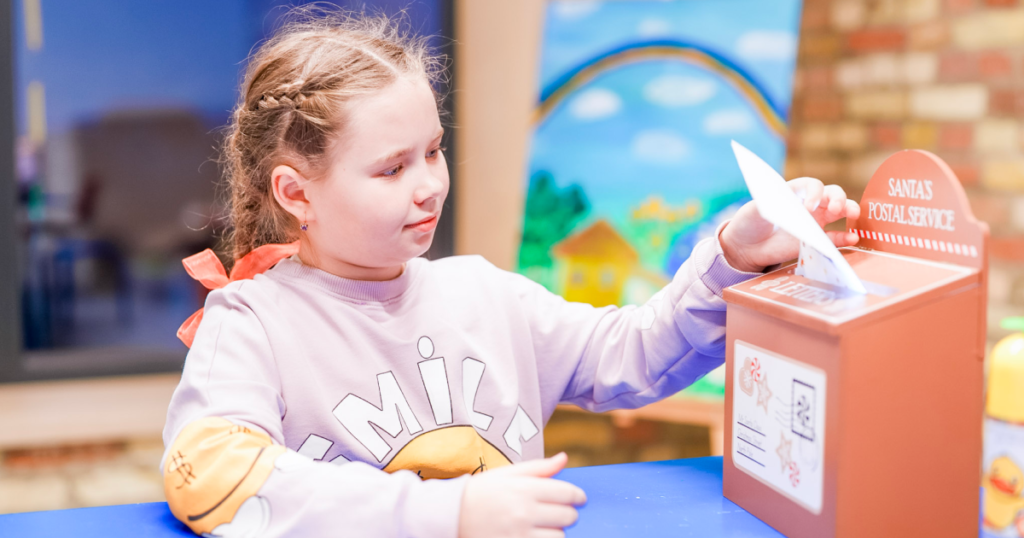
Letters to St. Nicholas
This year, our friends at the Stand with Ukraine Foundation — volunteers from Poland who support Ukrainians every day with humanitarian aid, programs for displaced families — are helping St. Nicholas.
-
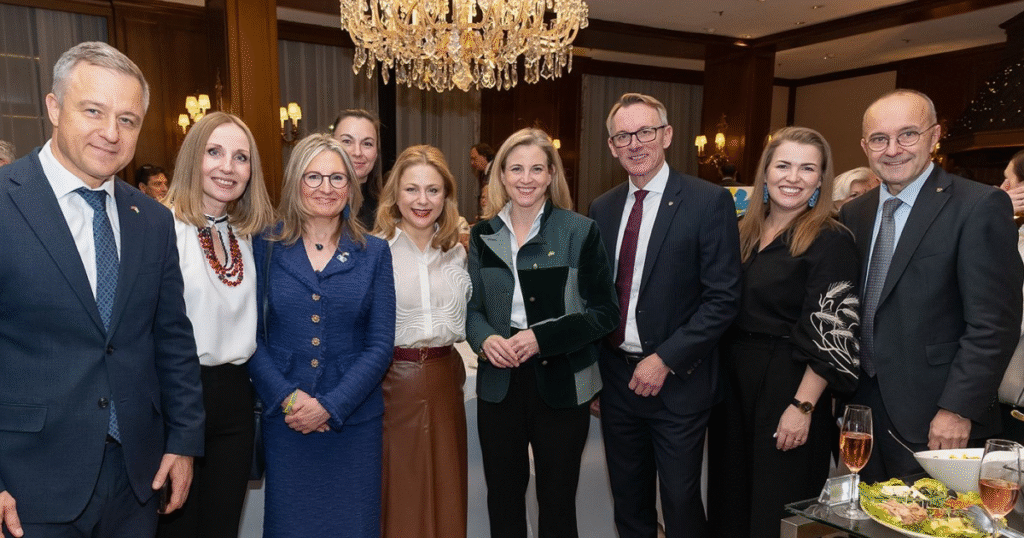
A new joint project by Save Ukraine and R...
Rotary Sure Start is a support center for pregnant women, young mothers, and children from birth to four years old.
Contact us
-
Address
-
Phone+38 044 333 81 29
-
Emailinfo@saveukraine.org
Want to stay updated?
Receive bi-weekly news from the ground.
Click to subscribe
